
EU COMPLIANCE CHECKLIST
What to prepare before importing Bluetooth speakers into the EU
A working checklist for EU buyers: the documents behind CE marking, who counts as the responsible operator, the charging interface rule, and how packaging, batteries and transport paperwork are split between supplier and importer.
QUICK GUIDANCE
Before ordering Bluetooth speakers for the EU, settle five things: the technical documentation behind CE marking, the EU-based responsible operator, the USB-C charging interface, who registers packaging and batteries, and the UN 38.3 transport documents for lithium cells. Suppliers can support part of this; the registrations and the declaration normally sit with the importing entity.
The guide covers selection points, common considerations and inquiry tips.
1. Start from who places the product on the market
Compliance duties follow the entity that first makes the product available in the EU, not the factory that built it. That single fact decides how the rest of the checklist is split: the importer holds the declaration and most registrations, while the manufacturer supplies technical files, test evidence and correct marking.
Write that split down before the order. It is the most common reason a shipment stalls — not the product itself, but a document nobody owns.
2. CE marking and the radio equipment file
Bluetooth speakers contain a radio transmitter, so they fall under the Radio Equipment Directive. CE marking is the visible result; behind it you need the technical documentation, the EU declaration of conformity, and test reports covering radio, EMC and electrical safety.
Ask the supplier which parts of that file exist for the exact model you are buying, in which language, and whether they can be handed to your compliance partner. Model variations matter: a different battery, amplifier or antenna layout can change the file. Confirm the version you actually order.
3. The EU responsible operator
Consumer-product safety rules in the EU expect an economic operator established inside the Union to be identifiable for the product. Importers usually act as that operator, or appoint a service provider to do it.
Practically this affects the label and the paperwork: the operator name and address, the contact route for authorities, and the declaration that accompanies the goods. Decide who that is before artwork is approved, because the packaging usually carries it.
4. Charging interface: the USB-C rule
Portable speakers are among the device categories covered by the EU common-charger rules, which require a USB-C charging interface. If you are also selling a power adapter as part of the package, that accessory has its own requirements and labelling.
Fix this at specification stage: connector type, cable supplied in the box, and whether an adapter is included. Changing it after tooling or packaging approval is expensive.
5. Packaging, batteries and recycling registrations
Packaging rules, battery obligations and WEEE registration are country-level duties for the entity selling into that country. They differ between member states: what is a registration in one market may be a reporting duty in another.
What the supplier controls is the physical side: material choice, recyclability, marking space on the box, and the ability to print registration numbers and sorting marks. Tell the supplier which countries you sell into and what marks your scheme requires, and confirm them against the packaging sample.
6. Lithium batteries and transport documents
Cells and battery packs shipped by air or sea need a UN 38.3 test summary and the transport labelling that goes with it. Carriers and forwarders may also ask for the battery declaration and packing instruction reference.
For recurring orders, check whether the test summary covers the exact cell and pack configuration you are buying, and keep it with the shipping documents rather than in an email thread.
7. A short pre-order checklist
1. Which EU countries will you sell in, and through which channel?
2. Who is the responsible operator, and is the name on the artwork correct?
3. Which technical documents exist for this model version, and in which language?
4. Is the charging interface USB-C, and what is in the box?
5. Which packaging, battery and WEEE registrations apply to your markets?
6. Do you have the UN 38.3 summary for the exact battery configuration?
7. Which document is needed at customs, and which at retailer onboarding?
RELATED PRODUCTS
Apply the guide to product models.
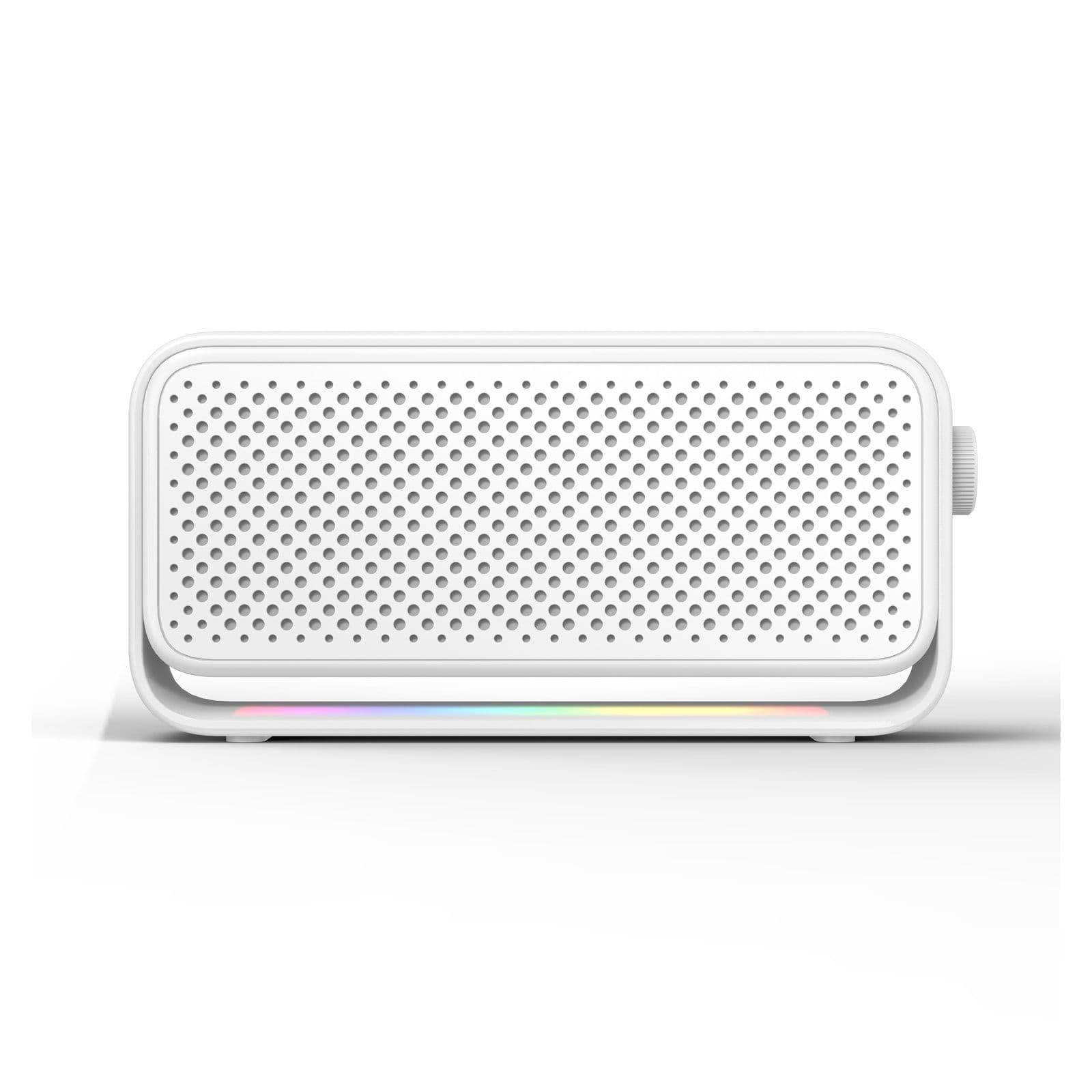
Multi-color retail Bluetooth speaker BT2506
5W multi-color retail assortment—for brand listings, retail chains and OEM color-combination programs.
- Output
- 5 W
- Water resistance
- IPX4
- Packing
- 20 pcs/carton
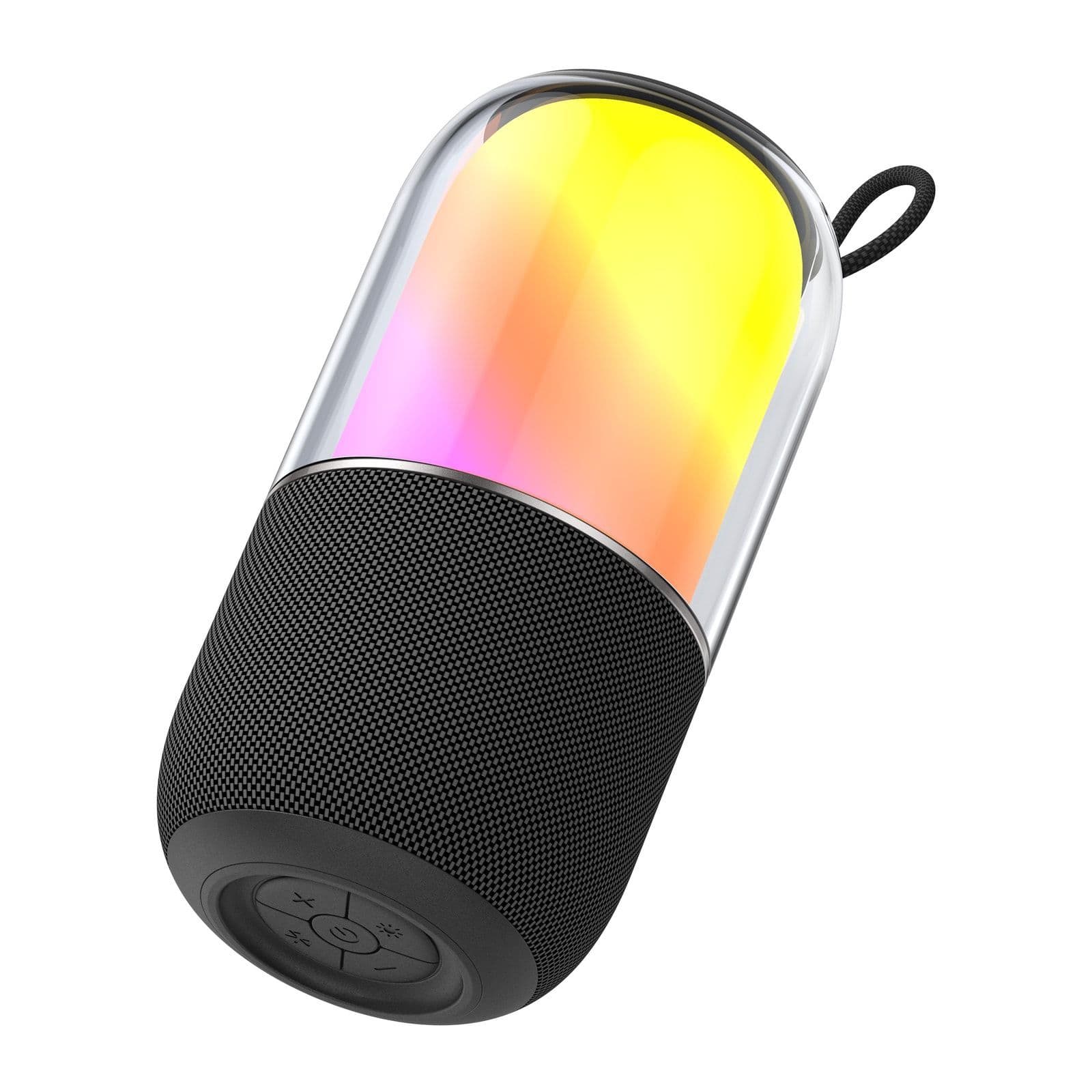
Light-effect wholesale speaker BT2675
5W light-effect cylinder with dual playtime (lights on/off)—for volume wholesale and channel continuity.
- Output
- 5 W
- Water resistance
- IPX4
- Packing
- 24 pcs/carton
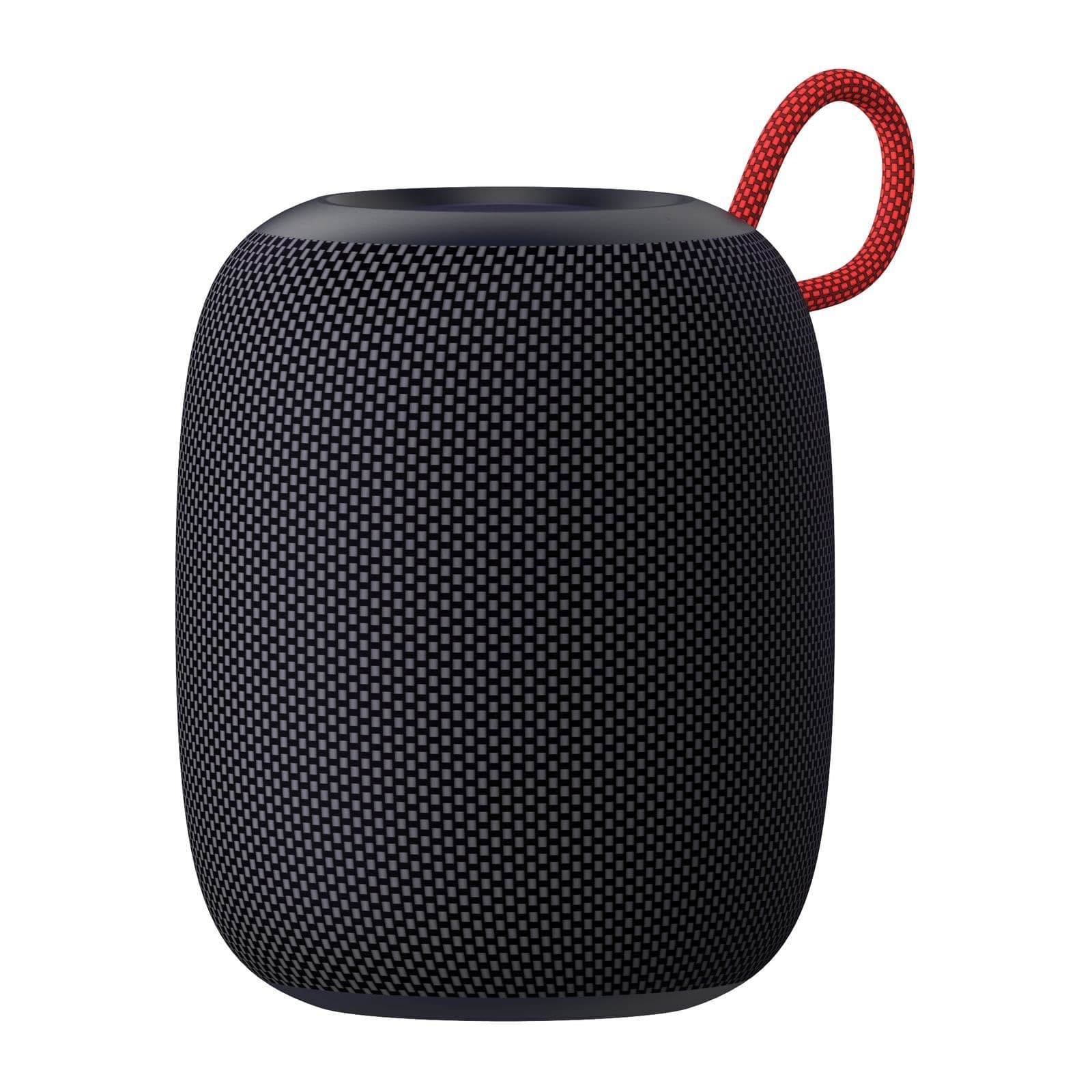
Compact wholesale Bluetooth speaker BT2931
3W compact form with high carton packing density—for pre-quote comparison and volume discussions.
- Output
- 3 W
- Water resistance
- IPX4
- Packing
- 50 pcs/carton
RELATED GUIDES
Continue with related buying topics.
Compliance documents: what buyers should ask for by market
Certificates and test reports are model-specific and market-specific — ask with both in mind.
Read resource ↗15 checks before you confirm a Bluetooth speaker supplier
A practical buyer checklist for model fit, customization scope, samples, documents and commercial terms — without treating any factory claim as final until confirmed.
Read resource ↗FCC authorisation and marketplace documents for Bluetooth speakers in the US
What US retailers, Amazon sellers and brand owners confirm before a Bluetooth speaker order ships: equipment authorisation, label content, state labelling, marketplace paperwork and battery receiving rules.
Read resource ↗FAQ
Related questions
How do I confirm compliance for a model and target market?
Share your target country or sales channel and the exact model; sales will confirm which certificates or reports apply.
Certificates differ by model, and customs clearance depends on the latest rules of the destination country.
What certifications do your speakers have?
Relevant CE, RoHS and BSCI documentation can be provided where applicable. Coverage varies by model. Please inquire for your target market.
Share the exact model and target country or sales channel so sales can confirm applicable files and whether additional testing is needed.
How is lead time usually arranged?
Reference timeline: about 24 hours for sampling, 3 days for stock items, 7 days with existing materials, and about 25 days for custom orders. The final lead time is confirmed in writing by model, quantity, customization and material status.
Missing artwork, unsigned samples or material changes can affect the schedule. Follow the written sales confirmation.
Can you make customized packaging for shipment?
Custom gift boxes and outer cartons are available. Please inquire for MOQ and packaging details.
Packaging structure, language, barcode, manual, carton marks, quantity, price and timing are confirmed per project.
NEXT STEP
Turn your findings into a quote request.
Leave your email or WhatsApp with the market, model, quantity and remaining questions, and sales will follow up.