
JAPAN MARKET CHECKLIST
Radio certification and labelling for Bluetooth speakers in Japan
Japanese buyers usually need to settle radio certification, the accessory safety route, Japanese labelling and barcode, and a small-lot plan before the first order. This is the sequence that keeps a first shipment predictable.
QUICK GUIDANCE
Bluetooth speakers sold in Japan need technical conformity certification under the Radio Act, shown with the technical conformity mark. On top of that come the accessory safety route for chargers, Japanese labelling with a JAN barcode, battery recycling marks, and a sample-first plan so the specification and packaging are validated before volume production.
The guide covers selection points, common considerations and inquiry tips.
1. Radio certification comes first
Equipment using Bluetooth in Japan requires technical conformity certification under the Radio Act — commonly referenced as TELEC or MIC certification, or Giteki (the Japanese technical conformity mark). The mark on the product is the visible part; behind it sits a certification held by a specific party, with technical documents describing the radio characteristics.
Ask which technical documents can be provided for the exact model, whether an existing certification covers the version you intend to sell, and what changes would invalidate it. Colour, enclosure or battery changes are usually safe; radio-related changes are not.
2. Chargers and accessories
If the package includes an AC adapter or charger, that accessory falls under electrical appliance safety rules, and the applicable category determines the marking and the test basis.
Decide early whether the adapter ships in the box, is sold separately, or is omitted in favour of a USB-C cable. Each choice changes the label, the document set and the packaging.
3. Japanese labelling, barcode and manual
Consumer information is expected in Japanese: usage instructions, safety notes, importer details and warranty wording. Retail channels also expect a JAN barcode, and packaging is often opened on the shelf, so print quality and layout matter.
Collect these requirements before the artwork is finalised. Retrofitting Japanese text onto a design built for another market often forces a full re-layout of the box.
4. Battery marking and disposal information
Rechargeable batteries carry recycling and disposal information under Japanese rules, and the marking space has to be planned into the product or the manual.
Confirm which marks are required for the battery type you use, and where they appear: on the product, the battery, the packaging or the manual.
5. Validate with a trial quantity
Japanese projects commonly start with a small trial order so specification, packaging and labelling can be checked in-market before a larger run.
Use the trial to validate the inspection criteria as well: which items are measured, what tolerance is accepted, and how a deviation is recorded. The approved sample and its specification become the baseline for the following production order.
6. Before the first order
1. Which certification covers this model version, and who holds it?
2. Which technical documents can the supplier hand over?
3. Is an adapter included, and which safety route applies to it?
4. Are Japanese labelling, manual and JAN barcode prepared?
5. Are the battery recycling marks placed and printed correctly?
6. What is the trial quantity, and what will be inspected?
RELATED PRODUCTS
Apply the guide to product models.
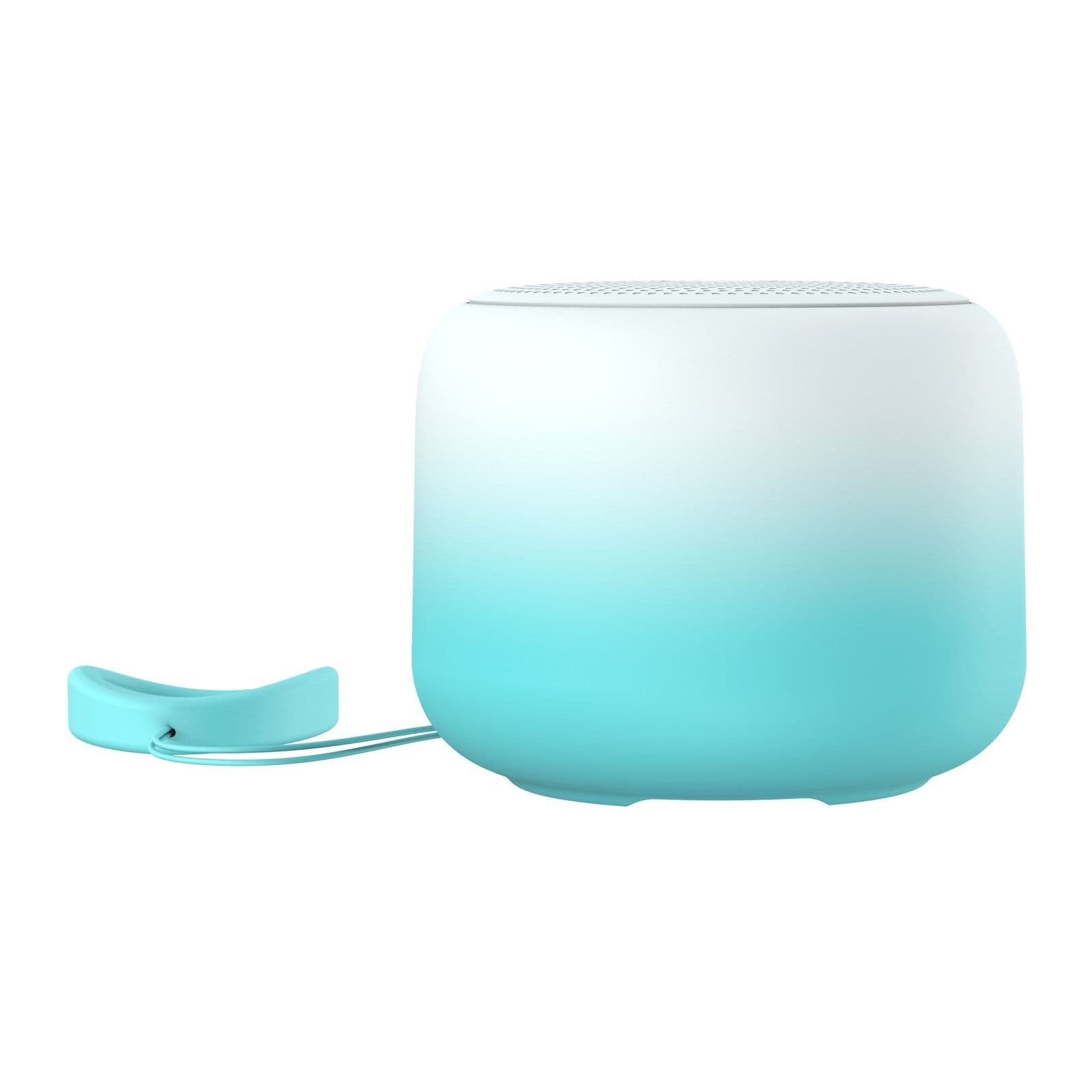
Mini portable Bluetooth speaker BT2602
3W compact portable unit with lanyard-ready form and TWS pairing—for gift, retail and wholesale starter programs.
- Output
- 3 W
- Water resistance
- IPX4
- Packing
- 50 pcs/carton
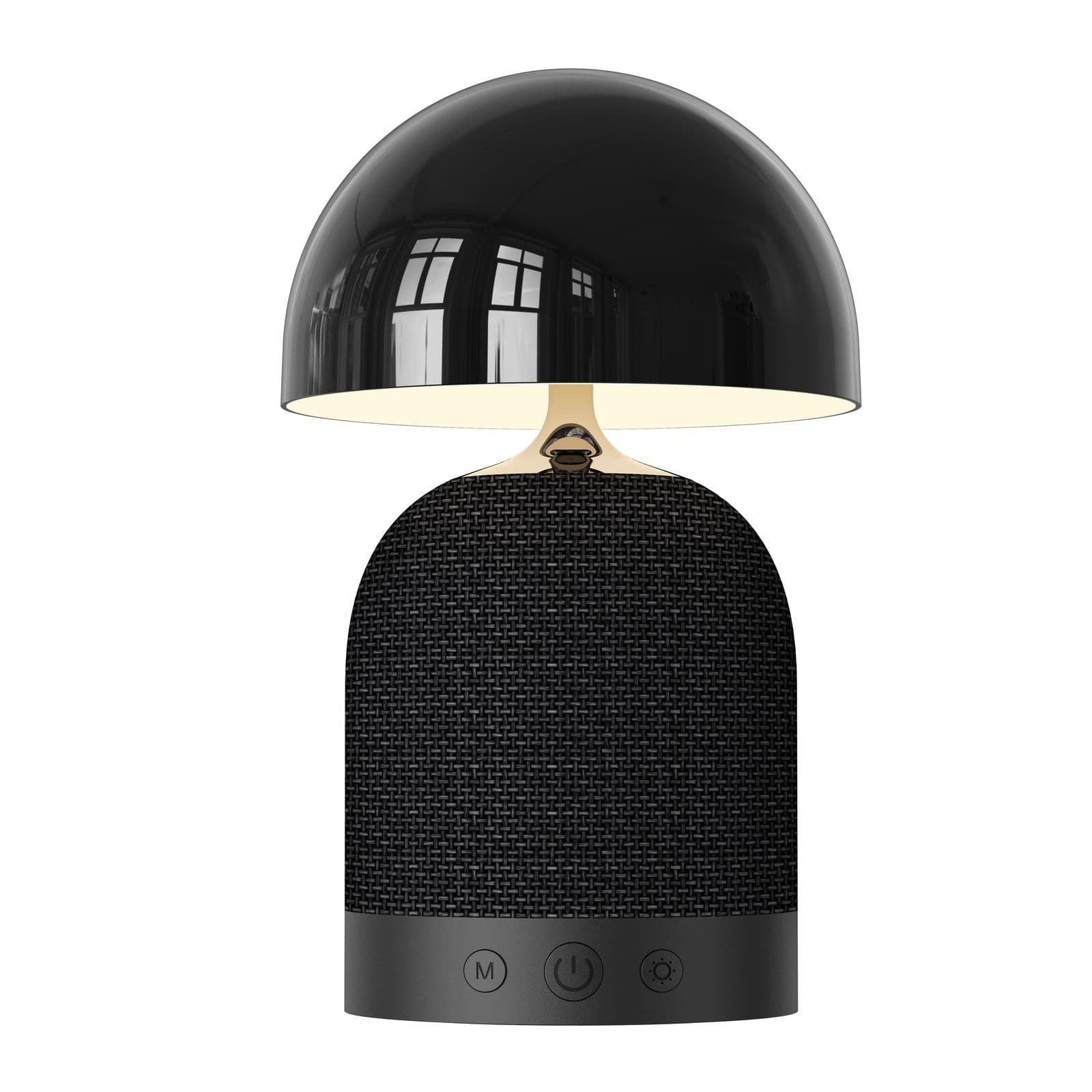
Mushroom form Bluetooth speaker BT2524
5W mushroom-silhouette reference—for wholesale shortlists and form-led differentiation.
- Output
- 5 W
- Water resistance
- IPX4
- Packing
- 12 pcs/carton
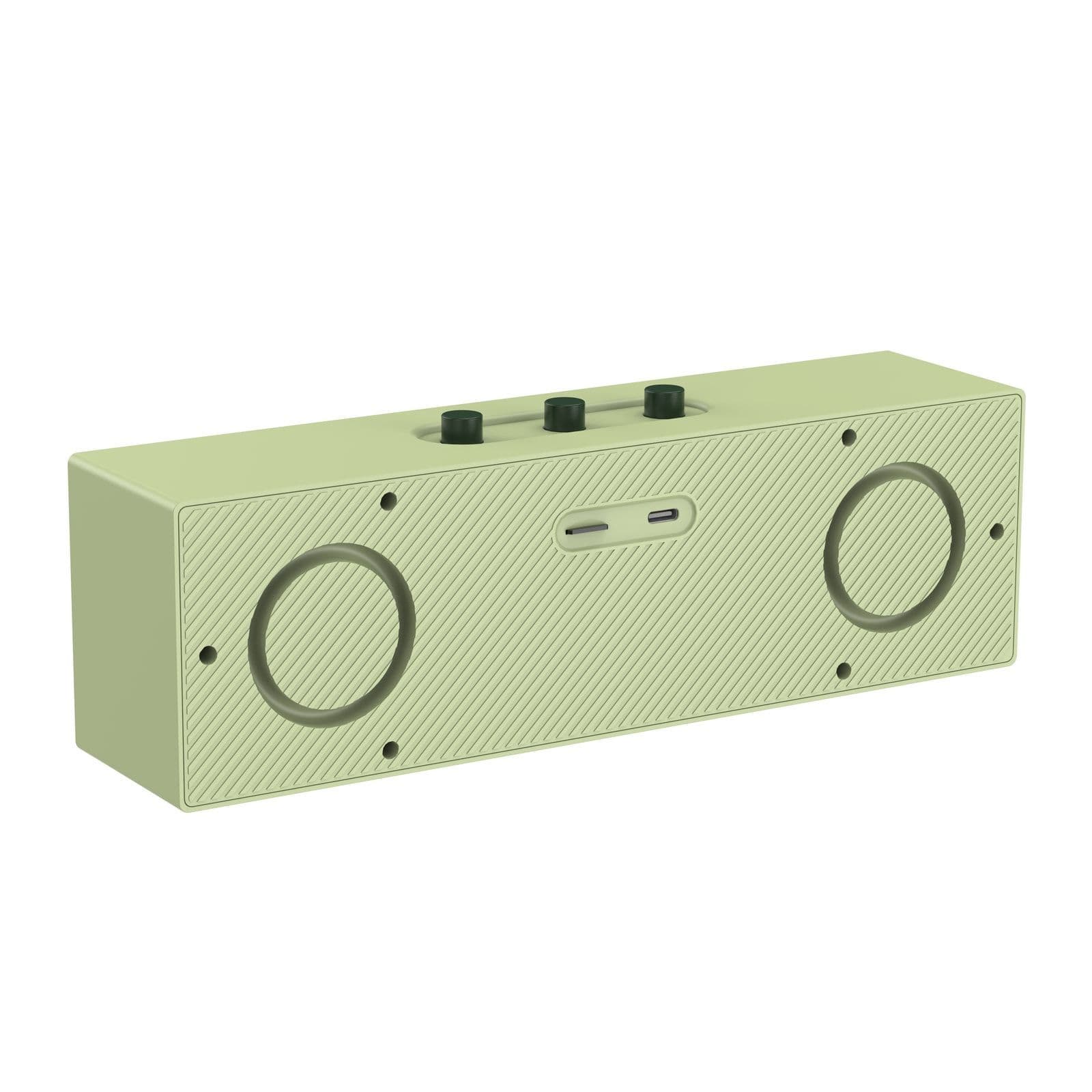
Elongated retro Bluetooth speaker BT2973
5W elongated retro silhouette for OEM/ODM, private-label and channel assortment discussions.
- Output
- 5 W
- Water resistance
- IPX4
- Packing
- 24 pcs/carton
RELATED GUIDES
Continue with related buying topics.
Packaging customization: what is usually feasible first
Logo, color and packaging are often the first customization layer — deeper changes need project review.
Read resource ↗Planning a sample evaluation without over-committing
Samples are for validation — not proof of every commercial term.
Read resource ↗What to prepare before importing Bluetooth speakers into the EU
A working checklist for EU buyers: the documents behind CE marking, who counts as the responsible operator, the charging interface rule, and how packaging, batteries and transport paperwork are split between supplier and importer.
Read resource ↗FAQ
Related questions
How is lead time usually arranged?
Reference timeline: about 24 hours for sampling, 3 days for stock items, 7 days with existing materials, and about 25 days for custom orders. The final lead time is confirmed in writing by model, quantity, customization and material status.
Missing artwork, unsigned samples or material changes can affect the schedule. Follow the written sales confirmation.
Can you make customized packaging for shipment?
Custom gift boxes and outer cartons are available. Please inquire for MOQ and packaging details.
Packaging structure, language, barcode, manual, carton marks, quantity, price and timing are confirmed per project.
How do I confirm compliance for a model and target market?
Share your target country or sales channel and the exact model; sales will confirm which certificates or reports apply.
Certificates differ by model, and customs clearance depends on the latest rules of the destination country.
What certifications do your speakers have?
Relevant CE, RoHS and BSCI documentation can be provided where applicable. Coverage varies by model. Please inquire for your target market.
Share the exact model and target country or sales channel so sales can confirm applicable files and whether additional testing is needed.
NEXT STEP
Turn your findings into a quote request.
Leave your email or WhatsApp with the market, model, quantity and remaining questions, and sales will follow up.